A surprise hospital stay is stressful enough. Then the bill shows up, and a new worry kicks in: will this wreck your credit? The honest answer is, it depends. So do medical bills affect your credit? Sometimes yes, sometimes no, and the rules changed quite a bit over the last few years.
This guide walks you through how medical debt affects credit score outcomes, what protections exist right now, and what you can actually do if a bill lands in collections. We’ll cover medical expenses, hospital bills, and the real numbers behind America’s medical debt problem.
Do Medical Bills Hurt Your Credit?
Here’s the short version: a medical bill by itself doesn’t touch your credit score. Your doctor’s office or hospital doesn’t report doctor fees or treatment charges to Equifax, Experian, or TransUnion.
The trouble starts only if you don’t pay and the account gets sold to a collection agency. That’s when do medical bills hurt credit becomes a real question instead of a hypothetical one.
Once a collection account shows up, it can pull your score down, sometimes by 50 to 100 points depending on your starting score. However, newer scoring models treat medical collections more gently than credit card debt.
FICO 9, FICO 10, and VantageScore 4.0 all weigh unpaid hospital bills less harshly than other types of debt, and some lenders ignore paid medical collections entirely. So the impact of unpaid medical bills is real, but it’s not the same disaster it was a decade ago.
Grace Period for Medical Debt

You get more breathing room than you might think. The three major bureaus agreed to a full year before an unpaid medical bill can even appear on your file. That grace period for medical debt exists specifically so you have time to sort out insurance claims, dispute medical billing errors, or simply save up the cash.
Here’s how the timeline actually breaks down:
| Rule | What It Means |
| 365-day grace period | Bureaus wait a full year from the delinquency date before reporting an unpaid medical debt |
| $500 minimum | Medical collections under $500 don’t appear on your report at all, even if unpaid |
| Paid collections removed | Once you pay a medical collection, it’s deleted from your report instead of marked “paid” |
| 7-year reporting limit | Under federal law, most unpaid collections must fall off after 7 years from the first missed payment |
Medical Bills That You Pay on Time
Pay before the account ever reaches collections, and none of this matters. Patient billing for a routine visit or a medical service charge you handle within the grace period never touches your credit file. This is the simplest way to avoid any damage at all.
Unpaid Medical Bills Under $500
Small balances get a pass. Since April 2023, medical collections with an original balance under $500 don’t show up on credit reports, period. This is the minimum medical debt for reporting threshold, and it wiped out nearly 70 percent of medical collection tradelines nationwide overnight.
Long-Term Impact of Unpaid Medical Debt
If a bill is big enough and old enough to get reported, it can sit on your file and drag your score down the whole time it’s active. Lenders reviewing a mortgage or auto loan application may see it and ask questions, even if the newer scoring models discount it somewhat.
The long-term impact of unpaid medical debt also includes higher interest rates offered to you, since lenders price risk into every loan they issue.
Unpaid Medical Bills Over $500
Cross that $500 line and stay unpaid past the one-year grace period, and the account can land on your report. It stays there for up to seven years from the original delinquency date, unless you pay it off, in which case the bureaus now remove it completely rather than just marking it settled.
Changes in Reporting Medical Debt
The medical debt reporting rules 2023 brought the biggest shake-up in this space in years: the longer grace period, the $500 floor, and automatic removal of paid accounts.
A federal rule proposed in 2024 would have gone even further and banned medical debt from reports altogether, but a Texas court vacated that rule in July 2025. So as of today, the 2022 to 2023 bureau policies are what actually protect you, not a federal law.
The Scope of Medical Debt in the U.S.
This isn’t a small problem. Roughly 100 million Americans carry some form of medical debt, and healthcare costs remain the single biggest cause of debt collection accounts in the country. Unlike a maxed-out credit card, medical debt usually comes from an emergency nobody planned for, which is exactly why regulators keep pushing for gentler treatment.
Can I Remove Medical Bills From My Credit Report?
Yes, in several situations. If the debt is inaccurate, belongs to someone else, or reflects a medical billing error, you can dispute it directly with the credit bureau and request removal. Knowing how to remove medical debt from credit report entries starts with pulling your full report and checking every line for mistakes.
You can also get an account removed by paying it off, since the bureaus now delete paid medical collections instead of leaving a “paid” mark behind. A formal “pay for delete” letter to the collection agency, in writing, is another route worth trying, though agencies aren’t required to agree to it.
Does Paying Off Medical Collections Improve Credit?
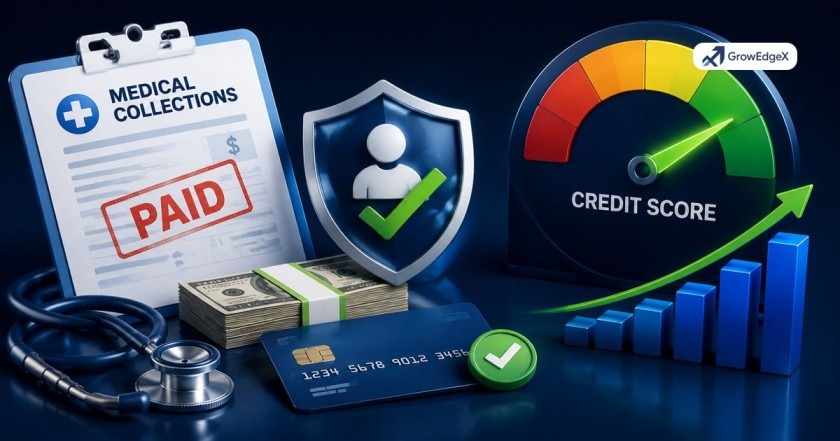
Generally, yes. Since 2022, paying a medical collection in full means the bureaus wipe the tradeline from your report rather than just updating its status. So can paid medical collections be removed is an easy yes, and it happens automatically once the payment posts.
That said, your score won’t necessarily jump overnight. Other factors, like your payment history on other accounts and your overall medical account balance across all debts, still matter. Removal helps, but it’s one piece of a bigger picture.
What Happens if You Never Pay Medical Bills?
If you simply ignore a bill, it usually moves from the hospital’s own billing department to a third-party collection agency within a few months. From there, the consequences of unpaid medical debt can include a lower credit score, collection calls, and possibly a lawsuit if the balance is large enough.
Hospitals rarely pursue aggressive legal action for small balances, but larger unpaid hospital invoices sometimes end in a court judgment. That judgment can lead to wage garnishment in some states, though the exact process depends heavily on where you live.
How to Get Medical Bills Forgiven?
Many nonprofit hospitals are legally required to offer charity care programs, and applying for medical financial aid through the hospital’s billing office is the first move. Ask specifically about their financial assistance policy, since federal law requires nonprofit hospitals to have one and to publicize it.
Beyond that, negotiating directly with the billing department often works better than people expect. Hospitals would rather collect a reduced amount than nothing at all, so asking about discounts for out-of-pocket costs or a lump-sum settlement can shrink your balance significantly.
How to Get Out of Medical Collections Without Paying?
This is trickier, but not impossible. Disputing the debt is your strongest legal tool, especially if you suspect a medical billing error or if the debt has already passed the statute of limitations in your state. Sending a dispute letter forces the collection agency to verify the debt or remove it.
You can also wait it out. Every unpaid collection eventually ages off your report after seven years, whether you pay it or not. It’s not a strategy anyone should plan around, but it is how the timeline legally works.
What Happens if I Don’t Pay Medical Bills After 7 Years?
Once seven years pass from the original delinquency date, the debt must come off your credit report under federal law, regardless of whether you ever paid it. However, the debt itself doesn’t disappear in most states; you could still legally owe the money, and in rare cases a creditor could still sue you if your state’s statute of limitations on debt collection lawsuits hasn’t expired.
The seven-year clock starts at the first missed payment, not when the account gets sold to a new collector. If an agency tries to reset that clock by reporting a later date, that’s against the law, and you can dispute it.
How Badly Do Unpaid Medical Bills Hurt Your Credit?
The damage depends on your starting score and which scoring model a lender uses. Someone with excellent credit might see a bigger point drop than someone whose score was already low, simply because there’s more room to fall. The credit score impact of collections also depends on how many other negative marks are already on your file.
Newer models like FICO 9 and VantageScore 4.0 soften the blow compared to older formulas, since they treat medical collections as lower-risk than other unpaid debts. Still, a mortgage lender using an older FICO version might see it very differently, which is why shopping around matters.
Can I Pay $5 a Month on a Medical Bill?
Often, yes. Most hospitals and clinics will set up medical payment plans with far more flexibility than a credit card company ever would, and some genuinely will accept small, steady payments if that’s truly all you can manage. Call the billing office and ask directly, since these arrangements are rarely advertised.
Just confirm the account won’t be sent to collections while you’re paying, and get the agreement in writing. A verbal promise from a call center rep isn’t enough if a dispute comes up later.
Does Medical Debt Ever Get Written Off?
It can. Hospitals sometimes write off old, uncollectible debt as a loss, particularly small balances that aren’t worth the cost of chasing. Charity care programs can also forgive debt entirely for patients who qualify based on income, which counts as a form of healthcare financing relief built right into the nonprofit hospital system.
Collection agencies occasionally settle for a fraction of the original balance too, especially on older debt they purchased cheaply. A settled amount still shows as resolved, and once you pay, that account comes off your report under current bureau policy.
Can You Lose Your House for Unpaid Hospital Bills?
It’s rare, but not impossible. A hospital typically can’t take your home directly, but if a court judgment is issued against you, some states allow creditors to place a lien on real estate. That lien usually only gets collected when you sell or refinance, not through an immediate foreclosure.
Homestead exemptions in many states offer real protection here, shielding a portion of your home’s equity from creditors entirely. Still, letting a large hospital bill turn into a lawsuit is a situation worth avoiding through early communication with the billing office.
Are Medical Debts Being Forgiven?
Some are, through targeted programs rather than a blanket national policy. Several states and cities have partnered with nonprofits to buy up old medical debt in bulk and cancel it for residents, often at pennies on the dollar. Watch local news in your area, since these programs pop up periodically and don’t always require an application.
At the federal level, the push to ban medical debt from credit reports entirely was struck down in court in 2025. So while individual medical financial aid programs continue, there’s currently no nationwide forgiveness law in place.
What to Do if You Can’t Pay Your Medical Bills
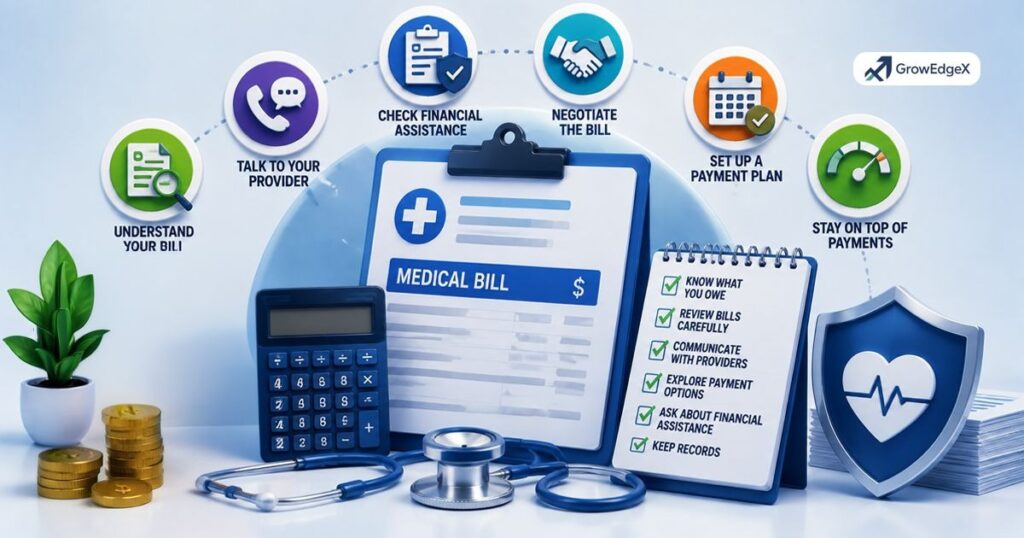
Start by requesting an itemized bill and checking every line for errors, since how to dispute medical bills correctly begins with catching mistakes before they cost you money. Studies consistently find billing errors in a large share of hospital invoices, so this step alone can shrink what you owe.
Next, call the billing office before the bill goes to collections, not after. Ask about medical payment plans, financial assistance programs, and prompt-pay discounts. Nonprofit hospitals are required to screen you for charity care, so don’t skip that conversation just because it feels uncomfortable.
Tips to Keep Your Credit Score Healthy

Protecting your score isn’t only about medical debt. A few habits make the biggest difference:
- Credit report monitoring tips always start with actually looking at your file instead of guessing what’s on it
- Pay other bills on time, since payment history carries the most weight in your score
- Keep credit card balances low relative to your limits
- Avoid opening several new accounts at once
- Separate medical debt from your other financial goals when managing healthcare expenses effectively
- Focus your energy on the accounts that hurt your score the most first, typically revolving credit card debt, since medical collections are treated more leniently by newer scoring models
Tips for Managing Medical Debt
A little prep work goes a long way toward keeping medical bills from ever touching your credit.
- Ask for cost estimates before non-emergency procedures whenever you can
- Confirm your health insurance coverage applies before treatment begins
- Keep every explanation of benefits and every hospital invoice in one folder, since you’ll need them if a dispute ever comes up
- Build a small emergency fund, even a modest one, to cushion the next emergency medical cost without relying on credit cards
Explore More Insights: Is accounts payable an asset or a liability?
FAQ’s
Will a hospital bill show up on my credit report right away?
No. It only reports if the account goes unpaid, gets sold to collections, and clears the 365-day grace period.
Does health insurance protect me from collections?
Insurance reduces what you owe, but any remaining balance you don’t pay can still go to collections like any other debt.
What is a collection agency exactly, and how do they get involved?
A collection agency is a company that buys or is hired to recover unpaid debts. Understanding what a collection agency is helps you know who you’re dealing with when calls start coming in.
What is the role of credit bureaus in debt reporting for medical accounts?
The role of credit bureaus in debt reporting is to collect information from creditors and collection agencies and compile it into your credit file, following their own internal policies on timing and thresholds.
Can I negotiate a medical bill after it’s already in collections?
Yes, often for less than the original amount. Collection agencies frequently accept settlements, especially on older debt.
How to improve credit score after debt gets resolved?
Focus on how to improve your credit score after debt by paying down other balances, keeping accounts open and in good standing, and checking your report to confirm the resolved account was actually removed.
Conclusion
So, do medical bills affect your credit? Only if they go unpaid long enough to reach collections. Thanks to the 2022-2023 bureau reforms, small balances, recently incurred debt, and paid-off collections no longer count against you.
The real risk sits with larger, older, unpaid accounts, so acting early, disputing errors, and asking about payment plans protects your score far better than ignoring the mail. A little attention now saves years of financial headache later.