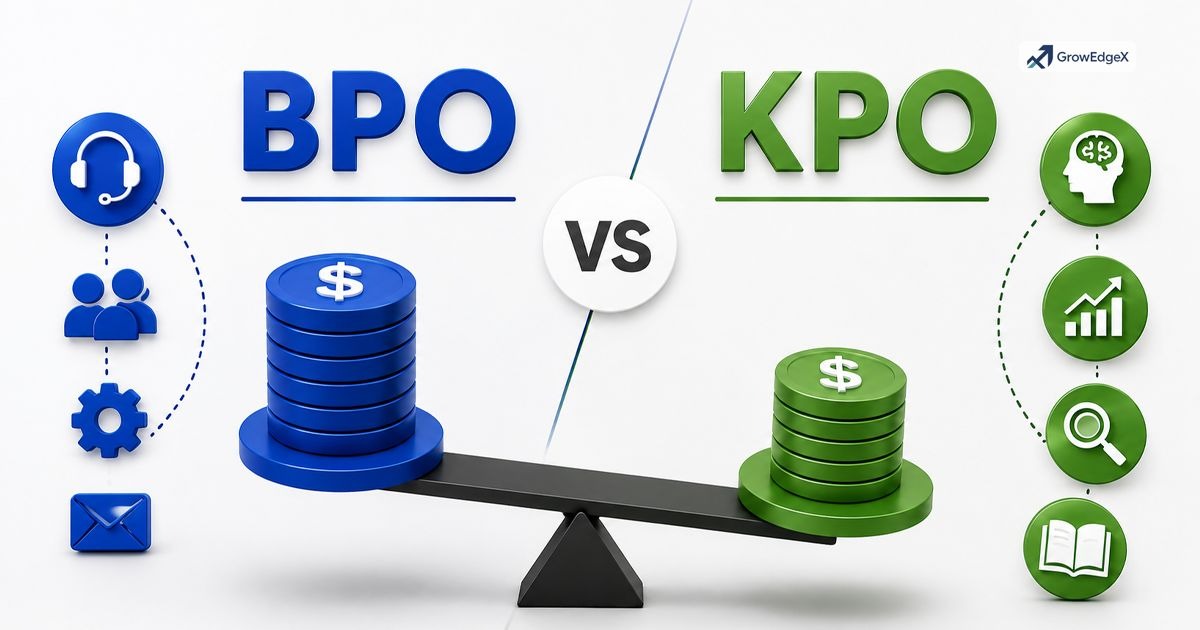
Picking between a contact center and a call center feels confusing at first. Both handle customer calls. Both solve problems. But they aren’t the same thing.
The call center vs contact center difference comes down to channels, technology, and customer experience. A call center only handles phone calls. A contact center handles calls, emails, live chat, social media, and more, all in one place.
Grab a coffee, because we’re about to break this down properly. By the end, you’ll know exactly which setup fits your business, and why the choice matters more than it looks at first glance.
What is a call center?
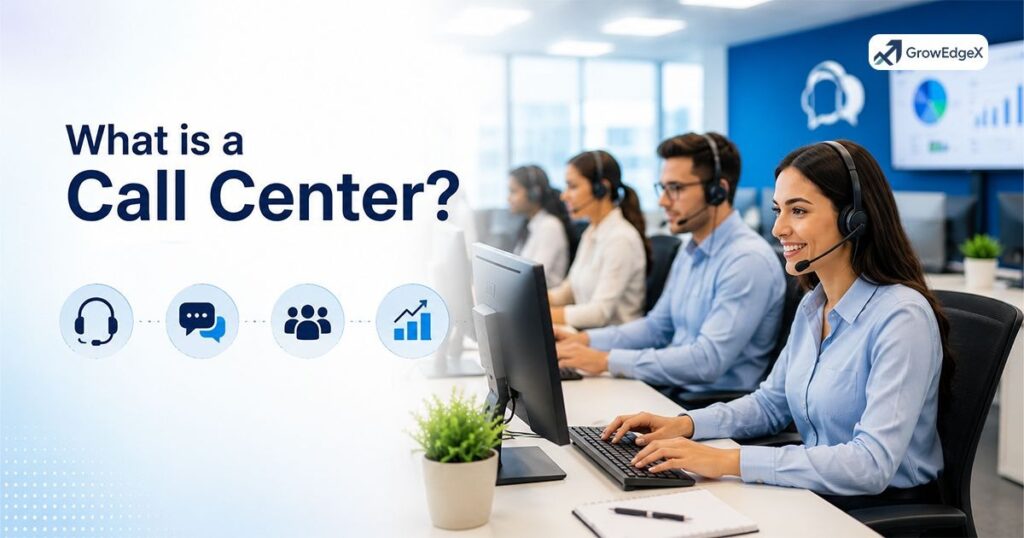
Picture rows of headsets, ringing phones, and agents working through a script. That’s the classic call center image, and honestly, it’s still accurate for a lot of businesses today.
A call center is a centralized team that handles phone calls, nothing more. Agents answer inbound call services when customers reach out, and they make outbound call center calls for sales, reminders, or follow-ups. Simple setup, single channel, one job done well.
This model has been around since the 1960s, believe it or not. It started as basic phone banks for support and telemarketing, and it hasn’t changed all that much at its core. The call handling process still runs on queues, scripts, and routing rules. For businesses that only need phone support, this still works just fine.
What is a contact center?
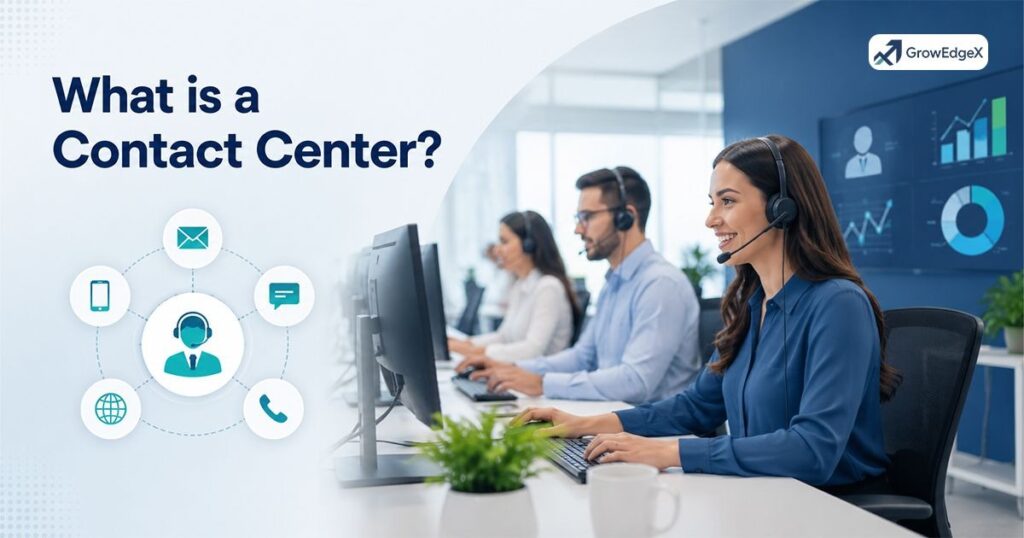
Now stretch that idea further. A contact center takes everything a call center does and multiplies it. Phone, email, live chat, SMS, social media, sometimes even video, all flowing into one connected hub.
This setup has a name: an omnichannel communication system. Customers pick whichever channel feels easiest for them, and agents see the full conversation history no matter where it started.
Modern contact center platforms run on cloud software, tie into CRM integration for support, and increasingly lean on AI in contact centers to route messages the smart way. The result? Real multichannel customer service that scales without falling apart.
Think of it like the difference between a single vending machine and an entire food court. Both feed people. Only one gives you options.
Contact center vs. call center: Which is better?
Here’s the honest answer: it depends. Your customers, your budget, and your growth goals all play a part in this decision. There’s no universal winner, only the right fit for where your business stands right now.
Still, three factors tend to tip the scales one way or another. Let’s dig into each one.
Channel choice
Call centers give you one channel: the phone. Contact centers give you customer support channels across the board: texts, emails, chat, and social messages.
If your customers only ever call you, a call center might be enough. But most customers today expect digital customer support options too. That’s where contact centers pull ahead.
Personalized customer service
Contact centers use shared customer data across every channel. This means agents already know a customer’s history before they even say hello.
That leads to real personalized customer interactions. A call center agent, on the other hand, usually only sees phone history. That’s a narrower view, and it limits how personal the service can feel.
Agent skills
Call center agents need strong phone skills: clear speech, patience, and quick thinking. Contact center agents need all of that, plus writing skills, multitasking ability, and comfort switching between tools.
Because of this, contact centers often invest more in training. They need agents who can jump from a chat window to a phone call without losing a beat.
8 Differences Between Call Centers and Contact Centers
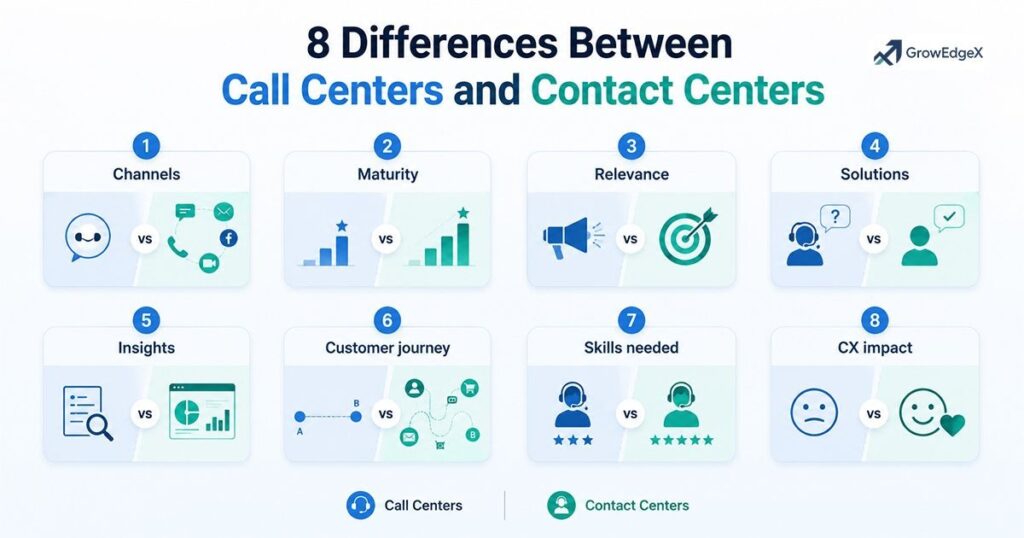
Here’s a side-by-side look at how these two models actually compare in practice.
| Factor | Call Center | Contact Center |
| Channels | Phone only | Phone, email, chat, social, SMS |
| Maturity | Older, traditional model | Newer, tech-driven model |
| Relevance | Still useful for phone-first businesses | Built for modern customer expectations |
| Solutions | Basic phone systems | Contact center platforms with automation |
| Insights | Limited call data | Full customer journey data |
| Customer journey | Fragmented across touchpoints | Unified and connected |
| Skills needed | Phone communication | Multichannel, tech, and writing skills |
| CX impact | Functional but narrow | Deep and consistent |
One channel vs multiple channels
A call center sticks to the phone. A contact center adds customer interaction channels like chat, email, and social messaging. This single difference shapes almost everything else on this list.
Organizational maturity
Call centers often represent an earlier stage of customer service. Contact centers usually mark a business that has scaled up and invested in better support center solutions.
Relevance
Phone-only support still matters for certain industries, like emergency services or older customer bases. But for most businesses chasing growth, customer support software with multiple channels is far more relevant today.
Solutions
Call centers rely on basic dialers and queues. Contact centers use full contact center platforms that combine ticketing, chat, voice, and reporting in one dashboard.
Insights
Call centers track calls. Contact centers track everything, giving businesses a complete view of behavior through combined CRM integration for support and analytics tools.
The customer journey
In a call center, the journey often resets every time a customer switches channels. In a contact center, that journey stays connected from start to finish, no repeating yourself twice.
Skills needed
Call center agents need voice skills. Contact center agents need voice, writing, and tech fluency, since they juggle multiple customer service tools daily.
Impact on the customer experience
This is the big one. Contact centers create a smoother, faster, more consistent experience. That difference alone often decides customer loyalty.
Explore More Insights: Customer Service BPO: Benefits & Challenges
Evolving from Call Center to Contact Center
Many businesses start with a call center and grow into a contact center over time. This shift usually happens as customer expectations rise and competitors start offering more.
The move involves adding helpdesk management system tools, connecting channels, and training agents on new service automation tools. It’s not an overnight change, but it pays off. Businesses that make this shift often see stronger support team efficiency and happier customers within months.
A good starting point is a virtual call center setup that can later expand into full omnichannel support. This way, growth feels gradual instead of overwhelming.
Choosing between a call center vs. contact center strategy
Skip the trends. Look at your customers instead. Where do they actually reach out? If it’s almost always the phone, a call center might genuinely be enough for now.
But if customers are messaging you on Instagram, emailing support, and calling all within the same week, a contact center makes far more sense. It keeps every one of those conversations connected instead of scattered across five different inboxes.
Call center vs. contact center strategy
Tight budget? Start small. A virtual call center setup costs less and gets you running quickly. As demand grows, layer in chat and email support gradually, building toward a full contact center model without breaking the bank in one go.
This step-by-step path avoids wasted spending, and it gives your team room to adjust instead of drowning in five new tools at once.
Contact centers vs call centers?: Now It’s your call
There’s no universal winner here. Some businesses thrive with a focused call center. Others need the flexibility of a full contact center to keep up with customer demand.
As one industry expert puts it, “customer service isn’t about the channel, it’s about being available where your customer already is.” That’s really the heart of this whole decision.
Looking for the Top Call Center in Plano, TX

If you’re searching for a top call center in Plano, GrowEdgeX stands out as one of the most reliable choices in the area.
Based right in Plano, Texas, GrowEdgeX combines local accessibility with the kind of contact center platforms that larger cities usually offer, giving Plano businesses an edge without the overhead of building an in-house team from scratch.
How is GrowEdgeX as a call center different from others?
What makes GrowEdgeX different is the mix of inbound call services, outbound call center support, and full multichannel customer service under one roof.
Local businesses across Plano and the greater DFW area trust GrowEdgeX to handle everything from customer inquiries to lead follow-up, all backed by trained agents who understand both the technology and the local market.
For any business in Plano looking to scale support without sacrificing quality, GrowEdgeX is the clear starting point. . Get in touch with GrowEdgeX today and see how they can handle your customer support from day one.
FAQ’s
Do call centers and contact centers use the same technology?
Not exactly. Call centers use basic phone systems. Contact centers use advanced contact center platforms with automation, CRM tools, and analytics built in.
Why are contact centers more focused on the customer experience?
Because they connect every channel into one view. This gives agents full context, which leads to faster and more personalized customer interactions.
Which is better for my business, a call center or a contact center?
It depends on your customers. Phone-heavy businesses may do fine with a call center. Businesses juggling multiple channels usually benefit more from a contact center.
Aren’t contact centers just call centers with more channels?
Not quite. Yes, channels are part of it, but contact centers also bring smarter data, automation, and connected customer histories. It’s less about adding tools and more about creating one smooth service experience optimization strategy.
What efficiencies can businesses expect from contact centers?
Businesses often see faster response times, fewer repeated conversations, and better support team efficiency overall. Agents spend less time searching for information and more time actually solving problems.
Should contact centers be purely automated?
No. Automation helps with routing and simple questions, but human agents still matter most for complex issues. The best setups blend service automation tools with real human support, not one or the other.
What does the contact center of the future look like?
Expect more AI in contact centers, smarter routing, and deeper personalization. Live chat, voice assistants, and predictive support will likely become standard. Still, the goal stays the same: faster answers and happier customers.
Conclusion
Choosing between a contact center and a call center shapes how your business connects with customers every single day. Call centers work well for simple, phone-only support. Contact centers offer more, blending channels, data, and automation into one smooth experience.
The right choice depends on where your customers already are. Growing businesses usually benefit from the flexibility a contact center provides. Either way, understanding the call center vs contact center difference helps you make a smarter, more informed decision going forward.