Every missed call is a missed chance. When a customer picks up the phone to ask a question, report a problem, or place an order, they expect someone to answer fast. That’s the whole idea behind inbound call center services.
These services keep your phone lines open, your customers happy, and your team free to focus on growing the business instead of drowning in incoming customer calls. In this guide, you’ll learn what inbound call centers actually do, why so many US companies outsource them, and how to pick the right partner for your business.
What is an Inbound Call Center?
An inbound call center is a dedicated team that handles calls coming in from customers, not calls going out to them. Think of it as the front door of your business. When someone dials your support line, an inbound contact center agent picks up, listens, and solves the problem right there. That’s different from an outbound call center services setup, where agents make calls for sales or follow-ups instead of receiving them.
Most call center agents working inbound lines handle a mix of tasks. They answer questions, process orders, troubleshoot issues, and route calls to the right department. Some centers work purely on phone systems, while others blend calls with email and chat. Either way, the goal stays the same: connect the customer with a real answer, quickly and without frustration.
Why Outsource Your Inbound Call Center Services?
Running an in-house support team sounds simple until you actually try it. Hiring, training, scheduling, and managing agents takes time and money that most small and mid-sized businesses just don’t have lying around.
That’s why call center outsourcing services have become so popular across the US. A third-party provider already has the staff, the phone systems, and the software ready to go. You skip the setup headache and start taking calls within weeks instead of months.
Outsourcing also gives you flexibility that an in-house team can’t match. Need extra coverage during the holiday rush? A flexible workforce from an outsourced provider scales up or down based on your call volumes.
You pay for what you actually use. On top of that, outsourced customer support services often cost less than hiring, training, and retaining full-time staff, which frees up budget for other parts of the business.
Key features and technologies
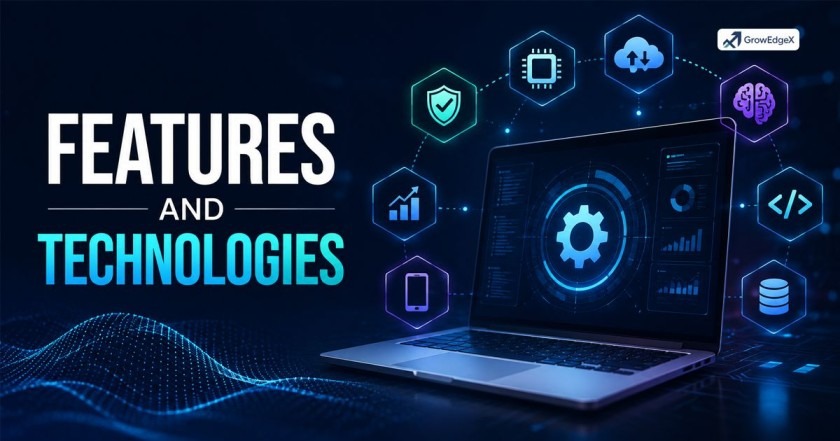
Modern inbound call centers run on more than just headsets and phone lines. Contact center technology now includes cloud-based phone systems, automatic call distribution, and intelligent call routing that sends each caller to the agent best suited to help them. This cuts down on hold times and gets problems solved on the first try.
Many providers also add omnichannel contact center tools that connect calls with live chat, email, and text. That way, a customer can start a conversation on chat and finish it on the phone without repeating themselves. Add in real-time data dashboards, and managers can watch call volumes and agent performance as they happen, not days later in a report.
| Technology | What It Does |
| Automatic Call Distribution (ACD) | Routes calls to available agents automatically |
| Interactive Voice Response (IVR) | Lets callers self-serve or select a department |
| CRM Integration | Pulls up customer history during the call |
| Call Recording & Analytics | Tracks quality and spots training gaps |
| Cloud Phone Systems | Lets agents work from anywhere, anytime |
What are the inbound duties of a call center?
Inbound agents wear a lot of hats. Their main job is answering incoming customer calls, but the actual work goes much deeper than picking up the phone. They troubleshoot product issues, process payments, schedule appointments, and update customer records in real time.
A good agent also listens for opportunities. If a customer calls with a simple question, a trained agent might mention a relevant upgrade or add-on, which is where up-selling and cross-selling come into play.
Beyond that, agents document every call so the next person who talks to that customer already knows the history. That consistency builds trust and keeps the customer relationship intact over time.
What skills are needed for inbound calls?
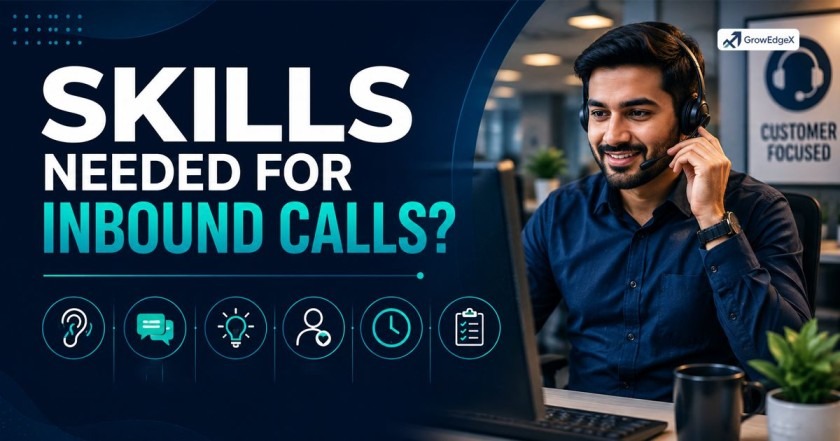
Not everyone can sit on the phone all day and stay calm, friendly, and sharp. A strong customer service agent needs patience first. Callers aren’t always in a good mood, and the agent has to stay steady no matter what’s on the other end of the line.
Clear communication matters just as much. Agents need to explain solutions in plain language, without jargon that confuses the caller further. Problem-solving skills come next, since a lot of calls involve troubleshooting something on the spot.
Finally, agents need comfort with technology. Between CRM software, phone systems, and sometimes multiple screens at once, the job moves fast and rewards people who can multitask without losing focus.
What are examples of inbound calls?
Inbound calls come in many shapes. A customer might call to ask about a product before buying it, or to report that something arrived broken. Someone else might call to check an order status, cancel a subscription, or ask for technical support on a device that stopped working.
Appointment scheduling counts too, along with billing questions and complaint resolution. Even a call asking “are you open today?” falls under inbound support. Each one needs a different response, but they all share one thing: the customer reached out first, expecting a fast and helpful answer.
Inbound call center services list
Here’s a quick look at the most common services businesses outsource under this umbrella.
| Service | Purpose |
| Customer support hotline | Answers general questions and complaints |
| Order and payment processing | Handles purchases and billing issues |
| Technical support desk | Troubleshoots product or software problems |
| Appointment scheduling | Books, reschedules, or cancels appointments |
| Help desk services | Supports internal or external IT issues |
| Virtual receptionist | Answers and routes calls professionally |
| Emergency and after-hours support | Covers calls outside normal business hours |
Each of these falls under broader contact center solutions, and most providers let you mix and match based on what your business actually needs.
Inbound call center services explained
Below is a closer look at the core pieces that make up a full-service inbound offering.
Live Call Answering
Live answering means a real person picks up, not a voicemail box. Agents greet callers under your business name, gather details, and either resolve the issue or route it to the right department without making the customer repeat themselves.
Multichannel Customer Support
Support doesn’t stop at the phone anymore. A strong provider connects calls with live chat, email, and text through inbound channels that work together, so a customer’s history follows them no matter how they reach out.
Escalation and Complaint Handling
Not every call resolves in one step. Trained agents know when to de-escalate a frustrated caller and when to hand the issue up to a supervisor, keeping complaints from turning into lost customers.
Quality Assurance and Call Monitoring
Ongoing call reviews catch small problems before they become patterns. Supervisors listen to recorded calls, score agent performance, and use that feedback to keep service quality consistent across the whole team.
Examples of Inbound Call Centers
Inbound support looks different depending on the industry behind it. Here are three real-world examples of how businesses put these services to work.
Healthcare Support Centers
Healthcare providers use inbound centers to schedule appointments, verify insurance, and answer patient questions. These calls require extra care since they often deal with sensitive medical information, so agents need specific training around privacy and compliance rules.
E-commerce Customer Service Centers
Online retailers rely heavily on inbound support for order tracking, returns, and product questions. Since e-commerce runs nonstop, these centers usually operate with extended hours or full 24/7 coverage to match how people actually shop online.
Financial Services Call Centers
Banks and insurance companies use inbound centers for account questions, claims support, and fraud reporting. These calls demand high accuracy and strict security, since a single mistake can cost a customer real money or expose sensitive data.
Benefits of Inbound Call Center Services
The value of a well-run inbound team goes far past just “answering the phone.” Done right, it becomes a core part of how customers experience your brand. Below are the biggest advantages businesses see once they invest in proper inbound customer service.
Better Customer Experience
Every call answered quickly and handled well adds up to a better customer experience. People remember how a company made them feel, not just whether their issue got fixed. Friendly, well-trained agents turn a stressful call into a reason to stay loyal.
Productivity and Efficiency
When trained agents handle the phones, your internal team stops getting pulled away from their real work. That shift alone boosts overall contact center operations and lets your staff focus on tasks that actually grow the business instead of firefighting calls all day.
24/7 Availability
Customers don’t only have problems during business hours. Round-the-clock coverage means someone always answers, whether it’s 2 PM or 2 AM. That kind of availability builds serious customer loyalty, especially for businesses with customers in different time zones.
Manage Higher Call Volumes
Call spikes happen during sales, product launches, or outages. A dedicated inbound team absorbs that surge without dropping calls or leaving customers on hold for twenty minutes. That flexibility protects your reputation exactly when it matters most.
Virtual Receptionist
A virtual receptionist answers calls under your business name, screens them, and routes them correctly, all without you hiring a full-time front desk employee. It’s a small addition that makes even a solo business sound fully staffed.
Examples of Inbound Call Centers
Inbound support looks different depending on the industry behind it. Here are three real-world examples of how businesses put these services to work.
Healthcare Support Centers
Healthcare providers use inbound centers to schedule appointments, verify insurance, and answer patient questions. These calls require extra care since they often deal with sensitive medical information, so agents need specific training around privacy and compliance rules.
E-commerce Customer Service Centers
Online retailers rely heavily on inbound support for order tracking, returns, and product questions. Since e-commerce runs nonstop, these centers usually operate with extended hours or full 24/7 coverage to match how people actually shop online.
Financial Services Call Centers
Banks and insurance companies use inbound centers for account questions, claims support, and fraud reporting. These calls demand high accuracy and strict security, since a single mistake can cost a customer real money or expose sensitive data.
How Inbound Contact Centers Impact Customer Relationships
Every phone call either builds trust or chips away at it. Here’s how a well-run inbound contact center shapes the relationship long after the call ends.
Building Trust Through Consistent Support
When customers get the same quality of help every time they call, trust builds naturally. A reliable inbound contact center removes the guesswork, so people know exactly what to expect whenever they need help.
Reducing Customer Churn With Fast Resolutions
Slow support drives customers away faster than almost anything else. Quick call resolution services show customers their time matters, which directly lowers the odds they’ll switch to a competitor after a bad experience.
Strengthening Loyalty Through Personalized Interactions
Agents who pull up account history and speak to customers by name create a personal touch that automated systems can’t fully replace. That personalization turns a routine call into a moment that actually strengthens the relationship.
Supporting Long-Term Customer Experience Management
Every call feeds into the bigger picture of customer experience management. Patterns from support calls reveal what’s working and what isn’t, giving businesses real insight to improve products, policies, and service over time.
5 Tips for Running an Organized, Efficient Inbound Contact Center
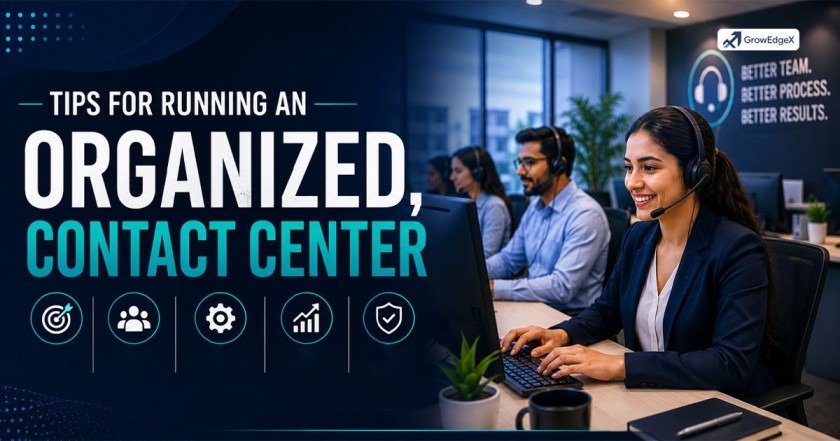
Running a smooth operation takes more than hiring a few agents and hoping for the best. Here are five practical ways to keep an inbound center organized and effective.
Create a positive work environment
Happy agents give better service. Simple as that. A supportive environment with reasonable workloads and clear communication keeps burnout low and quality high.
Ensure your staff has sufficient training
Untrained agents guess their way through calls, and customers can tell. Ongoing training on products, systems, and soft skills keeps every agent sharp and confident.
Listen to customer feedback
Post-call surveys and complaint patterns reveal exactly where the process breaks down. Ignoring that feedback means repeating the same mistakes on repeat.
Monitor your performance so you know how to improve
Track average hold time, first-call resolution, and customer satisfaction scores regularly. Numbers don’t lie, and they point straight to what needs fixing.
Use specialized contact center software
The right call center software automates routing, logs calls automatically, and gives managers visibility into daily performance without manual guesswork.
Pricing models for inbound call center services
Pricing varies a lot depending on the provider and the type of support needed. Understanding the common models helps you avoid surprises on your first invoice.
| Pricing Model | How It Works | Best For |
| Per-minute billing | You pay based on actual call time | Businesses with unpredictable call volumes |
| Per-agent monthly fee | Flat fee per dedicated agent | Companies needing consistent, dedicated staff |
| Tiered packages | Set pricing based on call volume ranges | Growing businesses that scale over time |
| Per-call pricing | Flat rate per handled call | Simple, transaction-based support needs |
Most providers also offer custom quotes after reviewing your call volume and service needs, so it’s worth asking for a free consultation before committing to a plan.
Features To Look For in Inbound Contact Center Software
Not all software is built the same, and the wrong choice can slow your entire operation down. Look for intelligent call routing that sends calls to the right agent automatically, along with CRM integration so agents see customer history instantly.
Omnichannel contact center support matters too, especially if customers reach out through inbound channels beyond just the phone, like chatbots or conversational messaging. Real-time reporting, call recording, and easy scalability round out the list of must-haves. If a platform can’t grow with your call volume, it’ll become a bottleneck sooner than you’d expect.
Manage Inbound Calls Better with GrowEdgeX
Answering every call, order, and complaint on your own gets harder as your business grows. That’s exactly the gap GrowEdgeX was built to close. Rather than handing you a shared call pool of agents juggling ten other clients, this Plano, Texas-based BPO firm assigns a team that learns your product, your tone, and your customers before they ever pick up the phone.
The setup moves fast too. Most businesses go live within about two weeks of their free operations audit, which means less time waiting and more time actually capturing calls that used to slip through the cracks.
Every interaction runs under ISO 27001 and ISO 9001 certified processes, so security and quality control aren’t an afterthought bolted on later; they’re built into how the team operates from day one.
What makes GrowEdgeX different is the dedicated-team model. Instead of sharing agents across dozens of clients, GrowEdgeX assigns specialists trained specifically on your process, your tone, and your industry. Every call and record runs under ISO 27001-certified security standards, so sensitive customer data stays protected the whole way through.
Core services offered by GrowEdgeX
GrowEdgeX covers inbound customer support, order handling, and client queries with consistent response times, backed by 24/7 coverage across time zones. Their team also manages CRM updates in real time, so nothing falls through the cracks between calls.
Beyond general support, GrowEdgeX runs specialized intake for healthcare staffing and legal client intake, along with sales support services like lead qualification and follow-up for service-based businesses. For companies that want their backend running smoothly without hiring a full in-house team, booking a free consultation with GrowEdgeX is a solid first step toward fixing that gap.
FAQ’s
What is the difference between an inbound and outbound call center?
An inbound call center receives calls from customers who reach out first, usually for support or questions. An outbound call center services team makes calls to customers instead, often for sales, surveys, or follow-ups.
How much does it cost to outsource inbound call center services?
Costs vary widely based on call volume, industry, and pricing model. Per-minute plans, per-agent monthly fees, and tiered packages are the most common structures, and most providers offer a custom quote after reviewing your needs.
Can a small business afford an inbound call center?
Yes. Many providers offer scalable plans built for smaller call volumes, so a small business can get professional phone coverage without paying for a full in-house team.
What industries benefit most from inbound call center services?
Healthcare, e-commerce, financial services, legal, and home services businesses see the biggest impact, since they all rely on fast, reliable phone support to keep customers satisfied.
How do inbound call centers handle high call volumes during busy seasons?
Providers use a flexible workforce model, adding trained agents temporarily during peak periods like holidays or product launches, so call volumes never overwhelm the team or leave customers waiting.
Conclusion
Strong inbound call center services aren’t a luxury anymore. They’re what keeps customers loyal, calls answered, and businesses running smoothly around the clock.
From better customer satisfaction services to smarter routing technology, the right setup pays for itself fast.
Whether you handle calls in-house or outsource to a dedicated partner, the goal stays the same: answer fast, solve it right, and make every caller feel heard. If your current setup isn’t hitting that mark, it might be time for a change.